Central Scotland
About
I'm a product designer with a background that stretches from graphic design and visual communication to complex B2B software, design systems and AI-powered customer experiences.
I enjoy the point where a problem is still messy: competing needs, incomplete evidence and a team trying to understand what it should build. My role is to create enough clarity to move forward, through research, mapping, prototyping and close collaboration with product and engineering.
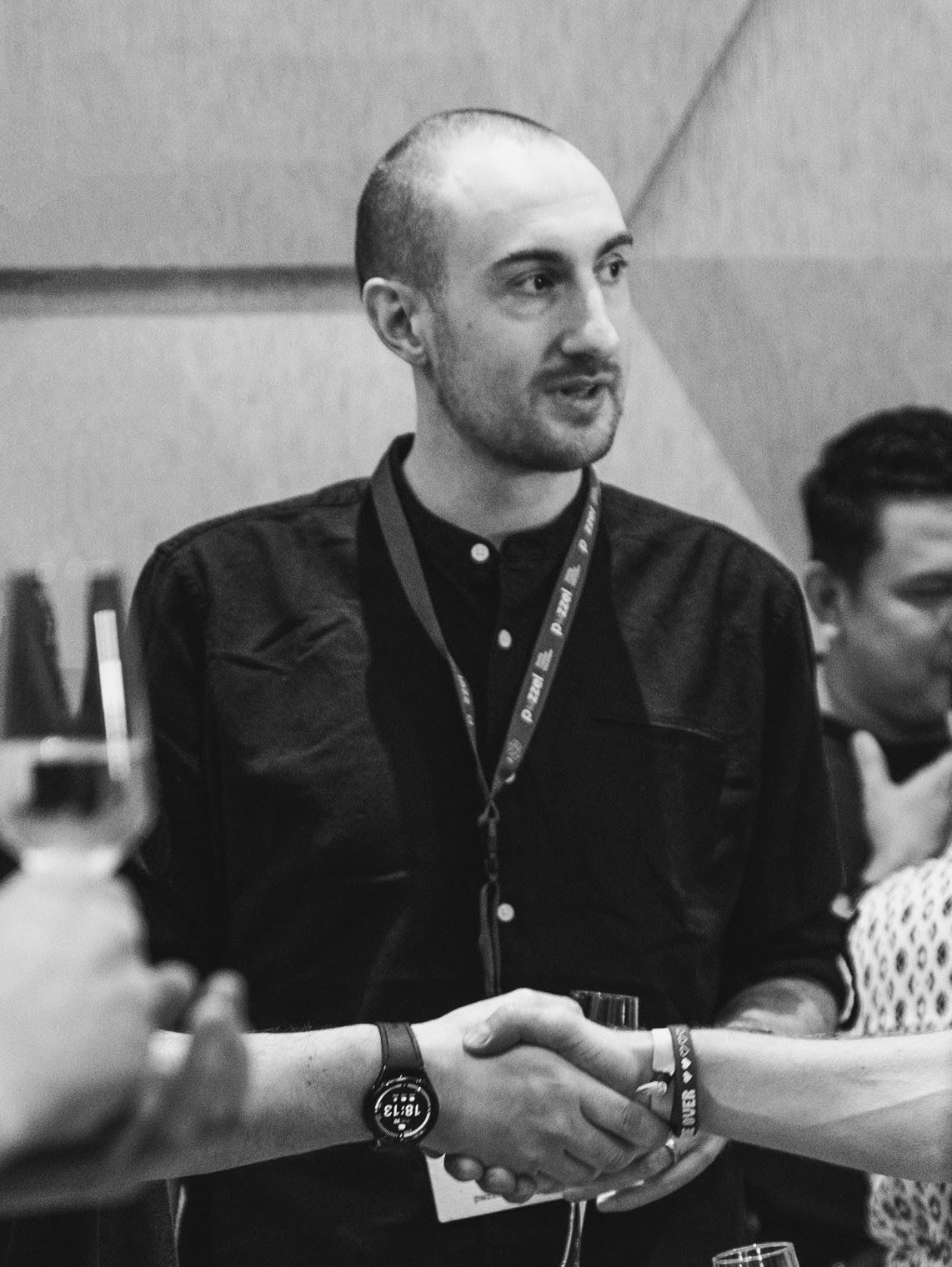
Today I work at Puzzel, designing technology for contact-centre teams across Europe and the UK. Much of my recent work explores how trusted knowledge, conversational evidence and specialist AI agents can become one understandable product.
How I work
- 01
Start with the real problem
I use customer conversations, behavioural data and the people closest to the work to understand what is actually happening, not just what the brief says.
- 02
Make thinking tangible
Journeys, prototypes and working artefacts let a team challenge an idea while it is still cheap and useful to change.
- 03
Design the system
I look beyond individual screens to the relationships, rules and reusable patterns that make a product coherent over time.
- 04
Use AI with judgement
I use AI to accelerate research synthesis and prototyping. The difficult work remains choosing the right question, checking the evidence and deciding what to learn next.
How I use AI day to day
AI is part of my everyday toolkit. It takes on the work that is slow but not difficult, which leaves more time for the work that is.
- Research synthesis
- Sorting interview notes, transcripts and customer feedback into first themes, which I then check against the source.
- Prototyping in code
- I build working, high-fidelity prototypes with Claude, and change them while a test is still running. In Conversation Logs, an interaction that failed with a customer was rebuilt and working in the same session.
- Building my own tools
- I use Claude Code to build the tools I need: Figma plugins, Claude skills that carry a design system's rules so prototypes start on brand, and this website.
- What stays with me
- Choosing the question, checking the evidence and deciding what ships. AI gives me a fast first draft. It doesn't decide what's true, or what's good enough.
Beyond my own projects
- I audited how Puzzel's products handle lists, editing, deleting, dates and record pages, found each doing it differently, and set one standard for all of them, based on Dovetail.
- I built a Claude plugin that carries our design system's rules, and ran its pilot with frontend developers, a product designer and a PM. I changed it based on what they told me, including taking out a whole workflow they didn't want.
- Puzzel's leadership has asked our design team to own one design skill for everyone in the company, built from that plugin, so anything made with AI follows the same rules.
Experience
- Jun 2025 – present Puzzel · Product designer
- Nov 2020 – Jun 2025 Puzzel · User experience designer
- Oct 2017 – Nov 2020 MV Commercial · Senior designer
- Jun 2013 – Oct 2017 Oceaneering · UX designer
- Nov 2009 – Jun 2013 Aberdeen Journals · Senior graphic designer
- Nov 2004 – Nov 2009 Aberdeen Journals · Graphic designer
Education
HND Graphic Design · City of Glasgow College · 2001 – 2004
Earlier work UX design at Oceaneering and MV Commercial, and graphic design at Aberdeen Journals.